
-

杭州师范大学外国语学院2026级外“新”人见面会
-
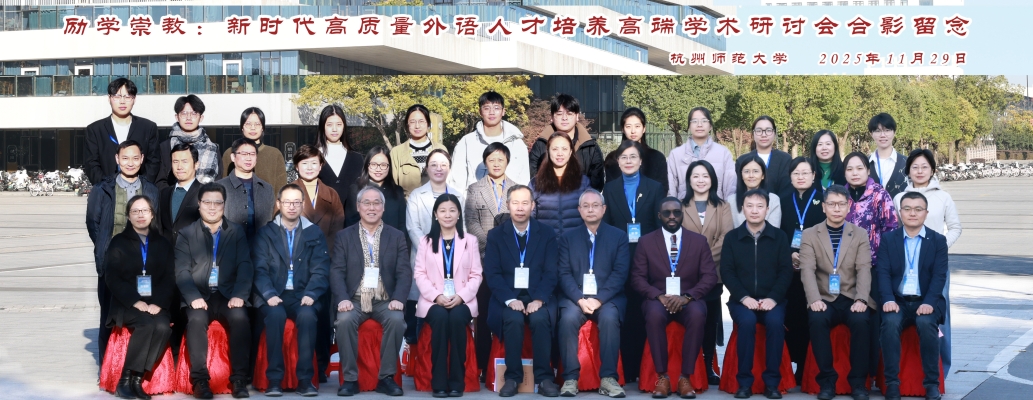
“励学崇教”新时代高质量外语人才培养高端学术研讨会
-
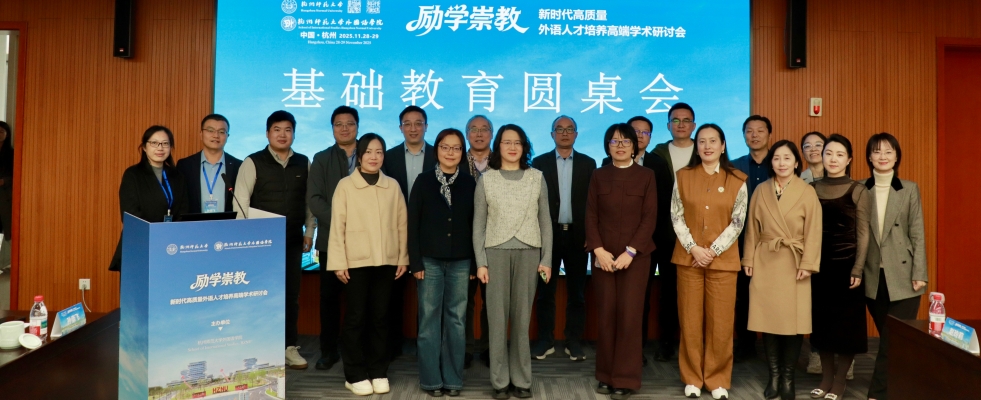
基础教育论坛圆桌论坛
- 狄更斯小说的视觉叙事与贺加斯传统
- Corpus-Driven and AI-Assisted Approaches in
- 语际间性与翻译
- 刻意隐喻理论视域下的企业话语研究
- 中国式现代化背景下的中华民俗文化译介研究
- 日本文学传统精神之再思考
- 杭州与沈熏:一个殖民地知识分子的中国体验
- 中韩关系的现状与未来展望
- Emotional Asymmetry: How Weibo Celebrities N
- 区域国别研究典型范例——中美大豆百年战争
- 比较文学文献学:生活世界是永无讹误的校勘依据
- International Education in a Globalized Worl
- Mobility In American Painting
- 从龙虾智能体到AI4S:科研范式的智能进化与实践
- 如何撰写学术论文和资政报告
- Charlotte Brontë’s Jane Eyre and Its Reader
- 工具、技术与人文
- 学术论文的写作与投稿问题
- 会议通知 || 全球文明倡议下的文学伦理学批评:
- 我们为什么要研究非洲哲学?
时间:6月10日(周三)下午14:00-15:30
地点:腾讯会议(会议号:566-996-550)
主讲内容:
Albeit newcomers in Europe, Hungarians must have felt necessary to use Classical Antiquity for identity constructions. Attila, the Hun, and the imaginary Hun ancestry of the Hungarians was a useful means through which they could attach their history to the Ancient times. However, the anti-Roman, Asian, barbaric ancestry is not the only one Hungarians adopted through the centuries, since they also regarded themselves as spiritual descendants of the classical antiquity, and therefore many Hungarians regarded the classics, and especially the textual heritage in Latin, as part of the national culture. The debates about ancestry, the origin of Hungarian language, as well as the nation’s position according to the East-West divide have recently reappeared on the level of governmental policy after the apparent consensus of the 20th century. The questions of national identity were seldom independent from imperial projects. In times of defensive wars against the Ottoman Empire the western, Christian aspects (including the classical heritage) were strongly emphasized, while in periods of Hungarian expansion, as well as in those of resistance towards the Habsburgs, the focus tended to be on the warrior-like, conquering, Asiatic aspects.
主讲人简介:
Péter Hajdu is the editor-in-chief of Neohelicon, a major international journal on comparative literature studies. Member of editorial or advisory boards of six international journals on literary studies. He did extensive research in the fields of comparative literature, theory of literature, narratology, and classical philology. From 2002 to 2009 he was a member of the International Comparative Literature Association’s (ICLA) Research Committee for East- and South-East Europe, 2008-2014 he was member of the standing research committee for literary theory, and 2010-16 member of the ICLA Executive Council. 2002-2012 secretary, since 2016 president of Hungarian Comparative Literature Association. He lectured at various universities in Hungary, Czech Republic, Poland, PR China, and Japan. He has published 6 books and more than 130 papers, and presented his research achievements in more than 80 international academic conferences. Now he is distinguished professor at Shenzhen University since 2020.
 官方微信
官方微信
 官方微博
官方微博